Pranayama: The Main Breathing Techniques Explained
Pranayama is the practice of working with the breath deliberately — not just inhaling and exhaling, but using the breath as a tool to connect the mind and body. The word comes from Sanskrit: prana means life force or breath, and ayama means extension or regulation.
According to Patanjali’s Yoga Sutras, Pranayama is one of the eight limbs of yoga. It is a central component of the practice. Breath is where the body meets the mind.
In this article, we will explore the main pranayama techniques, organized into four categories: energizing practices, balancing practices, cooling and calming practices. For each technique, you will find how to practice it, what it is good for, and the best time of day to use it.
Before You Begin
A few practical points before starting:
- Sit upright — on the floor, a cushion, or a chair
- Practice on an empty or light stomach; mornings work well for most techniques
- Unless stated otherwise, breathe through the nose
- Never force the breath. Dizziness or discomfort means you should return to normal breathing
- Kapalabhati, Bhastrika, Agni Sara, and Murcha are contraindicated during pregnancy and for those with high blood pressure or heart conditions. If in doubt, ask a teacher first.
Energizing Practices
Best time: morning, before physical practice
These techniques activate the body, build heat, and sharpen the mind. They work by increasing the flow of prana through the system — similar in effect to strong coffee, but leaving the mind clear rather than jittery.
1. Kapalabhati (skull-shining breath)
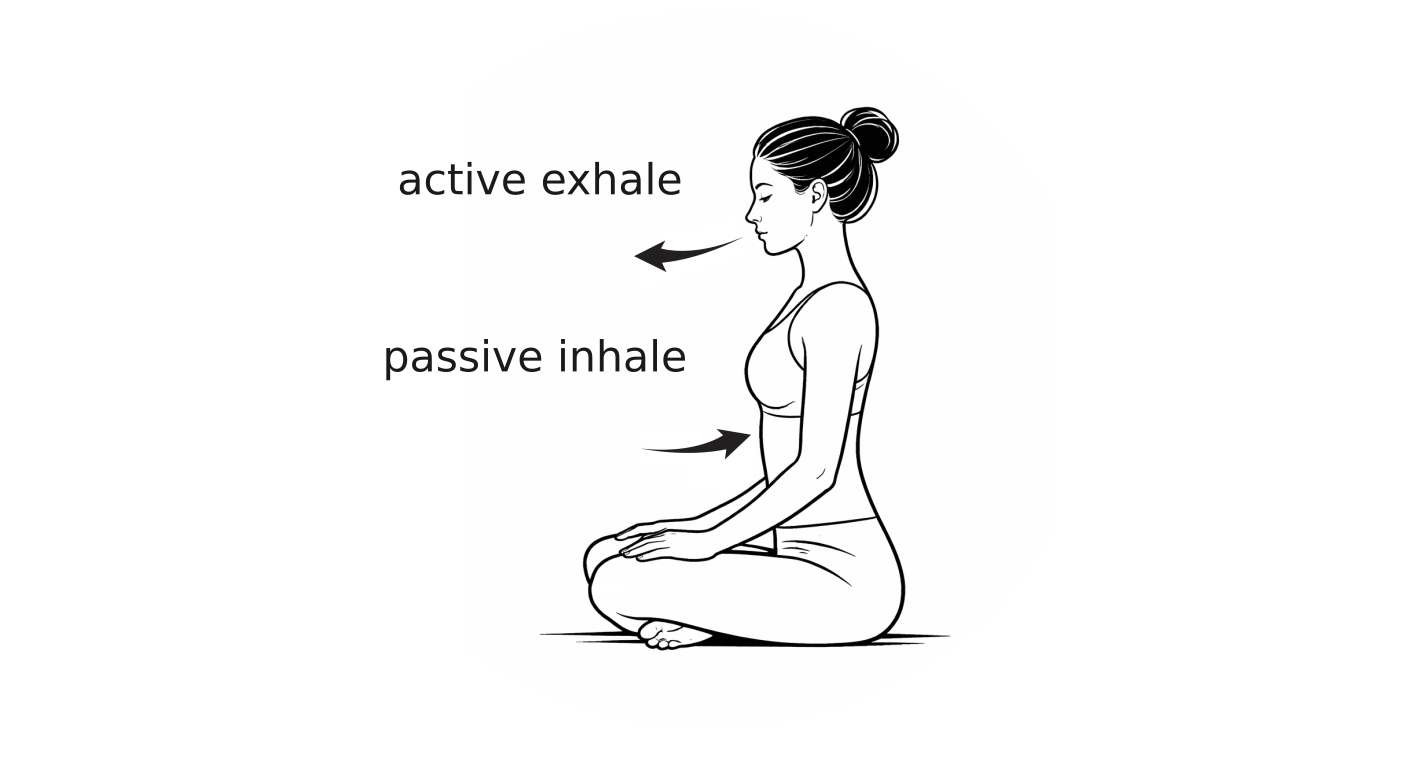
How to practice: Sit comfortably with the belly relaxed. Take a gentle inhale, then sharply contract the lower belly to push air out through the nose. The exhale is active; the inhale is passive and automatic. Begin with 30 pumps per round, rest for a few breaths, then repeat 2–3 times.
Benefits: Clears the sinuses and respiratory tract, activates the diaphragm, and sharpens mental focus. The name kapala (skull) points to the clarity it produces — a clean, alert quality of mind.
Best time: Morning. Too stimulating for the evening.
2. Bhastrika (bellows breath)
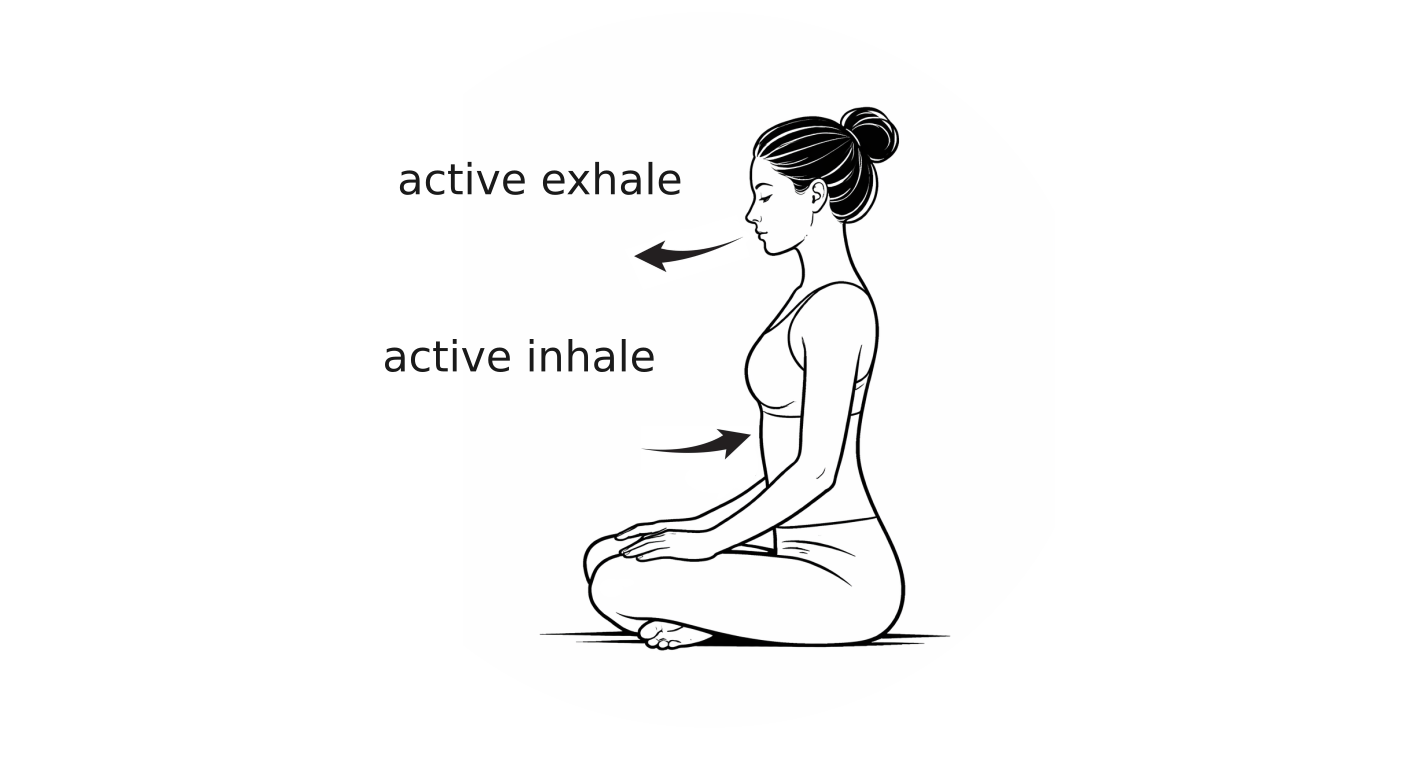
How to practice: Similar to Kapalabhati, but here both the inhale and the exhale are forceful and equal. Breathe rapidly through the nose, expanding and contracting the belly fully. The pace is slower than Kapalabhati — roughly one full breath per second. Do 20–30 breaths, then rest.
Benefits: More intense than Kapalabhati. Bhastrika significantly increases oxygen, builds heat throughout the body, and disperses mental fog quickly. The name means “bellows” — and the practice does feel like pumping a fire.
Best time: Morning. Not suited to the evening.
3. Agni Sara (fire essence)
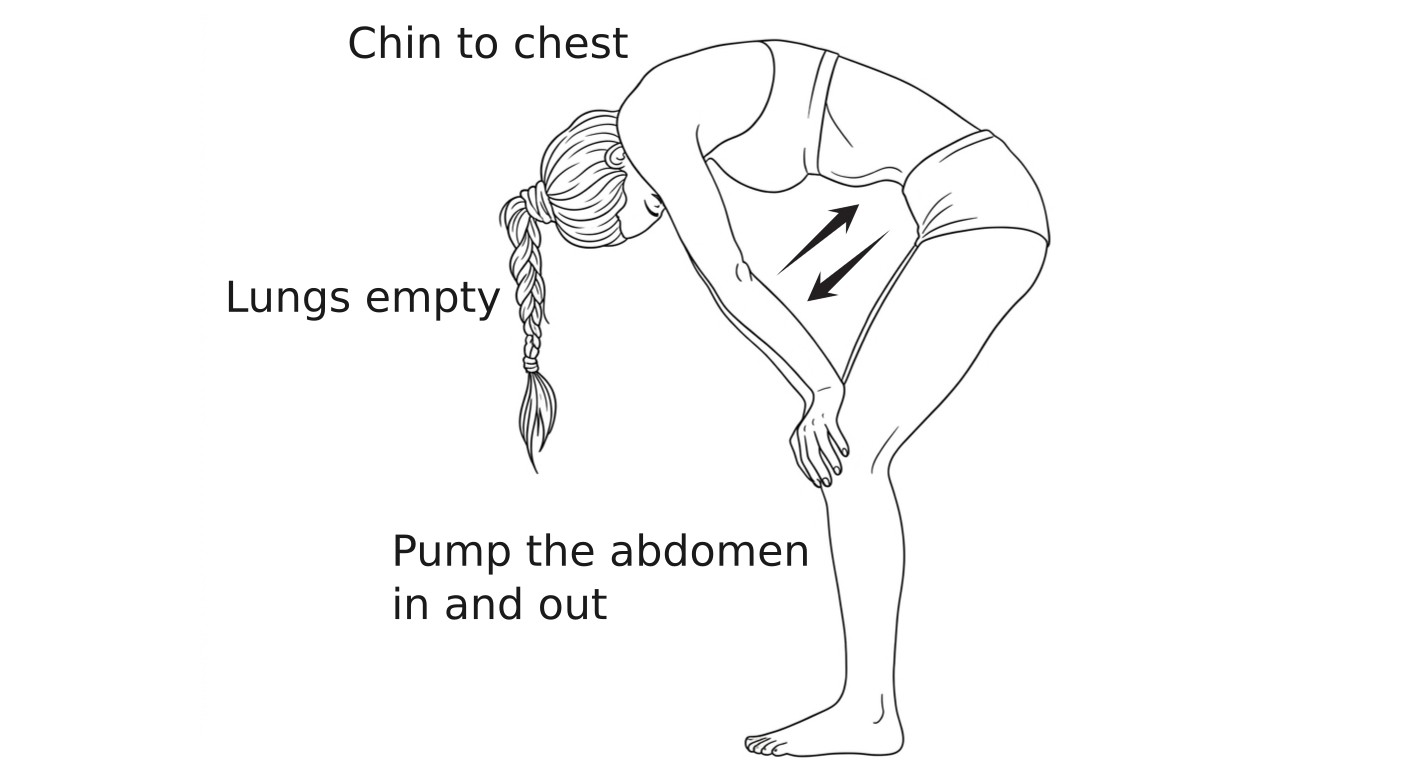
How to practice: Stand with knees bent, hands on thighs. Exhale fully and hold the breath out with chin locked to chest. Pump the abdomen rhythmically—expanding and contracting rapidly. Release the chin lock, inhale gently, and rest. Repeat 2–3 rounds.
Benefits: Agni Sara (from agni, fire, and sara, essence) stimulates the digestive fire, tones the abdominal muscles, and activates the solar plexus. In the hatha yoga tradition, it is valued for its effect on digestion and overall vitality. The belly movement here is the practice — the breath is the frame around it.
Best time: Morning, on an empty stomach. Start with just a few pumps and increase gradually.
4. Surya Bhedana (sun-piercing breath)
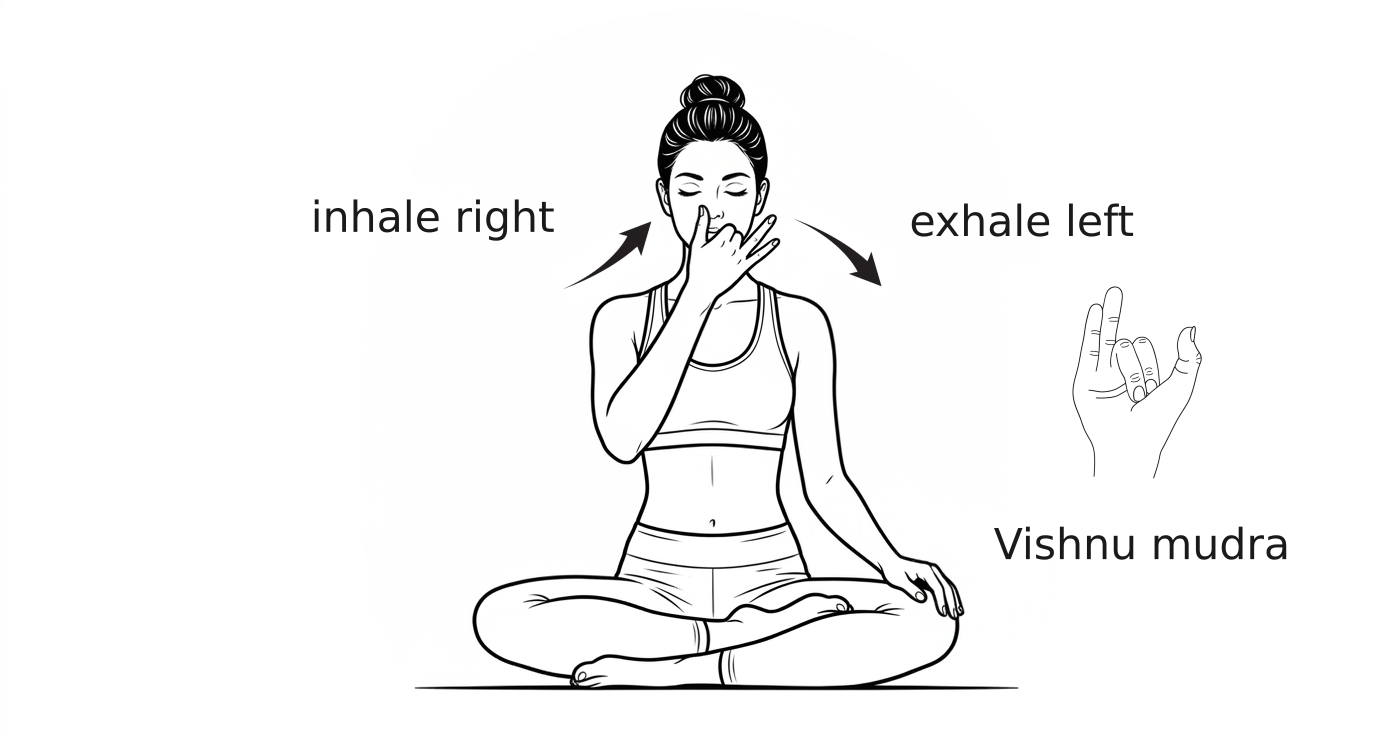
How to practice: Bring the right hand to vishnu mudra (fold the index and middle fingers). Close the left nostril with the ring finger. Inhale through the right nostril. Close the right nostril with the thumb and exhale through the left. Continue for several rounds — always inhaling right, exhaling left.
Benefits: In yoga’s understanding of the body, the right nostril corresponds to the solar channel, pingala nadi — associated with heat, activation, and outward energy. Surya Bhedana (sun-piercing) activates this channel, warming the body and increasing alertness.
Best time: Morning, especially on cold days or when energy is low.
5. Simhasana Pranayama (Lion’s breath)
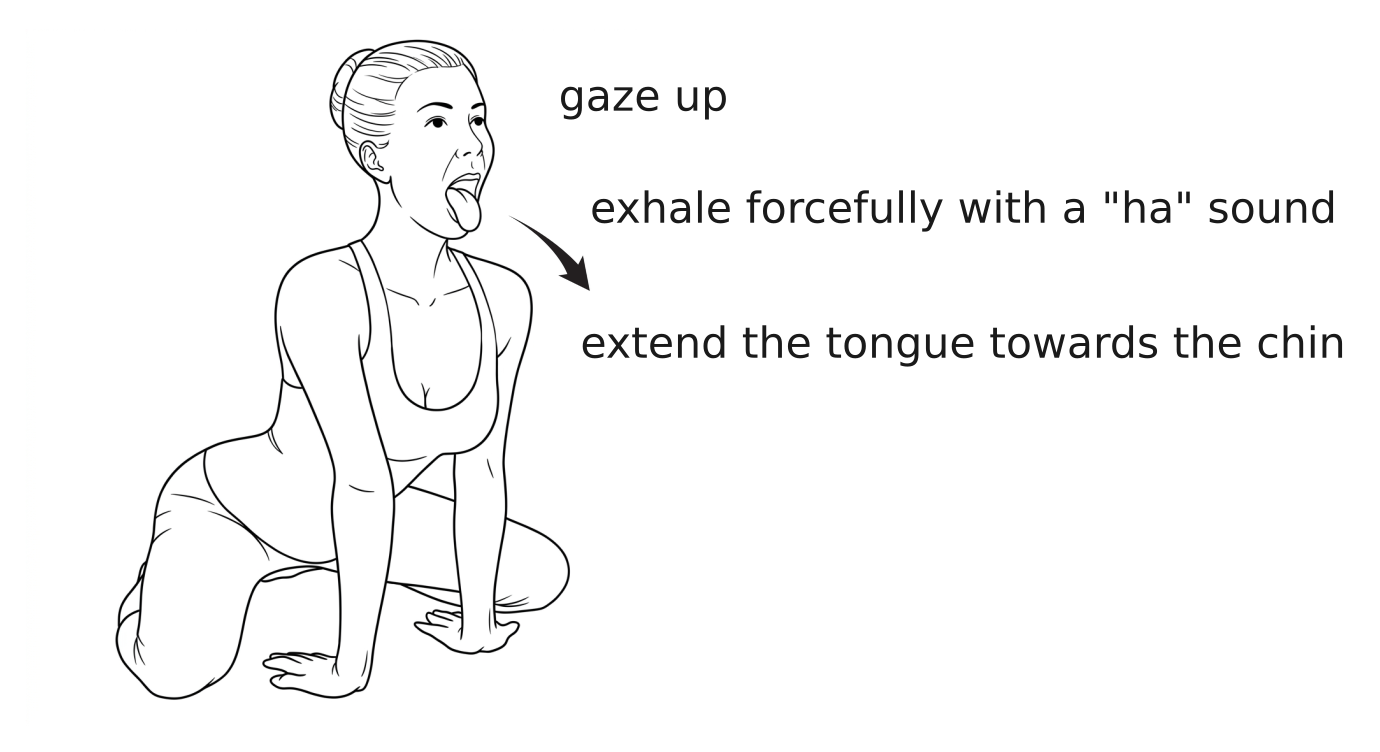
How to practice: Sit in a comfortable position. Inhale deeply through the nose. On the exhale, open the mouth wide, extend the tongue toward the chin, and release the breath forcefully with a “ha” sound. Eyes open wide, gaze directed upward toward the eyebrow center. Repeat 3–5 times.
Benefits: Releases tension held in the jaw, throat, and face. Simhasana (simha means lion) activates the vishuddha chakra (the throat center) and encourages a complete exhalation, clearing stale air from the lower lungs. Despite its dramatic appearance, practitioners often find it unexpectedly liberating.
Best time: Morning or before physical practice. Also useful whenever tension accumulates in the face, jaw, or throat.
Balancing Practices
Best time: any time of day; particularly good before meditation
These techniques balance the two main energy channels in the body — the solar and lunar nadis — and bring the nervous system into equilibrium. Their effect is neither stimulating nor sedating. They simply steady the system.
Two of the most important balancing techniques use alternate nostril breathing to regulate the flow of prana between the solar and lunar channels.
6. Nadi Shodhana (channel purification - alternate nostril breathing)
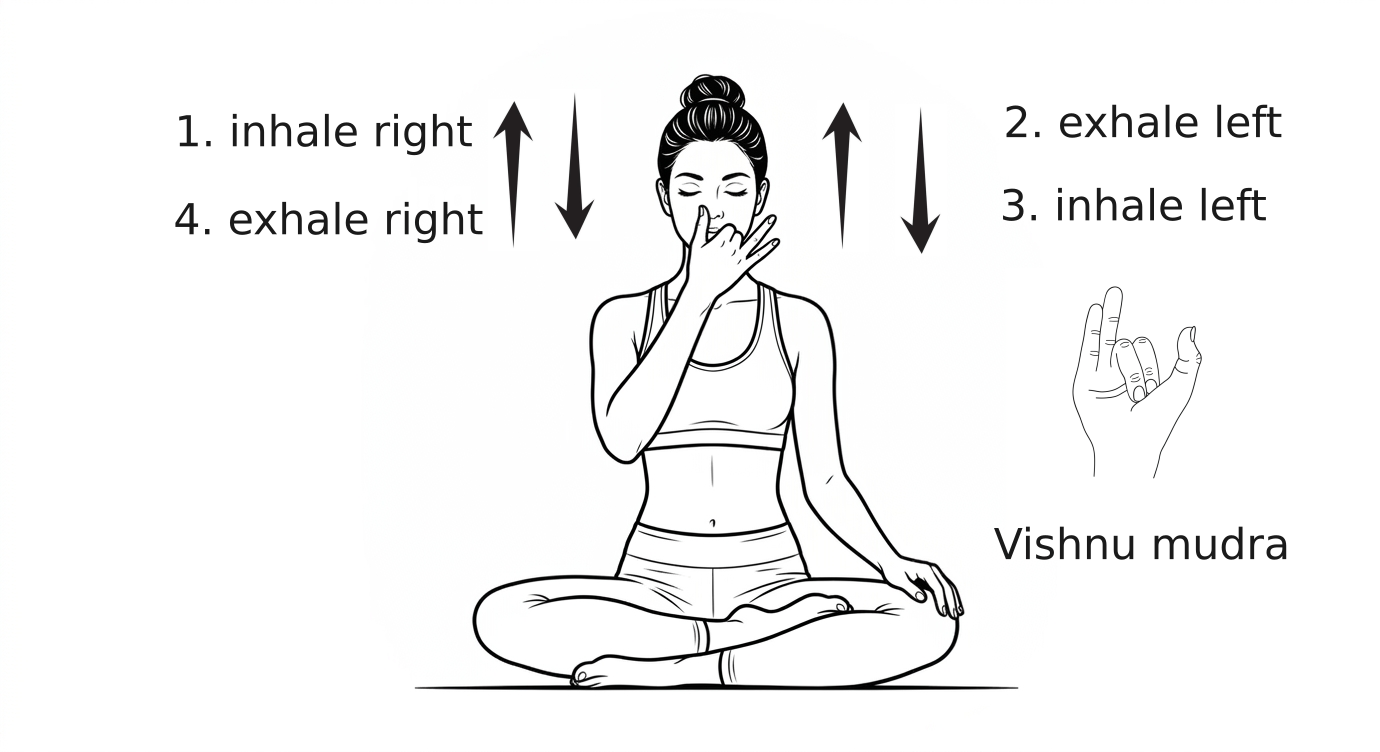
How to practice: Use vishnu mudra with the right hand. Inhale through the right nostril, close it, exhale through the left. Inhale left, close, exhale right. That is one complete cycle. Continue for 5–10 minutes without holding the breath.
Benefits: Balances the nervous system, calms an agitated mind, and clears the energy channels (nadis). Nadi Shodhana is one of the most important practices in pranayama. It is also the most accessible — a good starting point for anyone new to this work.
Best time: Any time. Particularly effective in the early morning or before sitting for meditation.
7. Anuloma Viloma (against the grain - alternate nostril breathing)
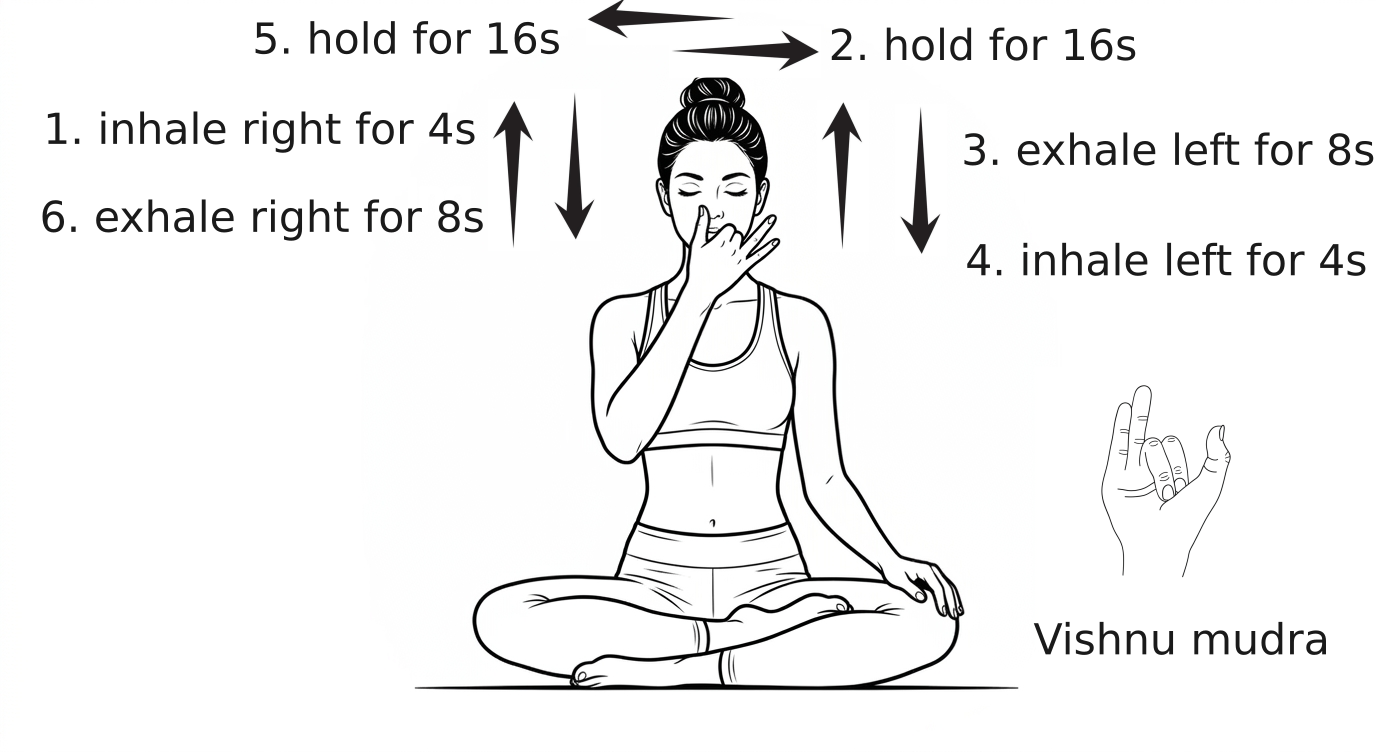
How to practice: The same alternate nostril pattern as Nadi Shodhana, but with kumbhaka (breath retention) added. The classical ratio is 1:4:2 — if you inhale for 4 counts, you hold for 16 and exhale for 8. For example: inhale right 4, hold 16, exhale left 8; inhale left 4, hold 16, exhale right 8.
Benefits: Deeper and more demanding than basic Nadi Shodhana. The extended retention is said to purify the nadis more completely and strengthen the nervous system over time.
Best time: Morning. The 1:4:2 ratio can be intense — begin with shorter counts (4 inhale, 4 hold, 8 exhale is a gentler entry point) and increase gradually.
The following two techniques use counted, structured breathing — the breath is divided into segments of equal or unequal duration. They are among the most practical tools pranayama offers, accessible outside of formal practice.
8. Sama Vritti (equal breathing - box breathing)
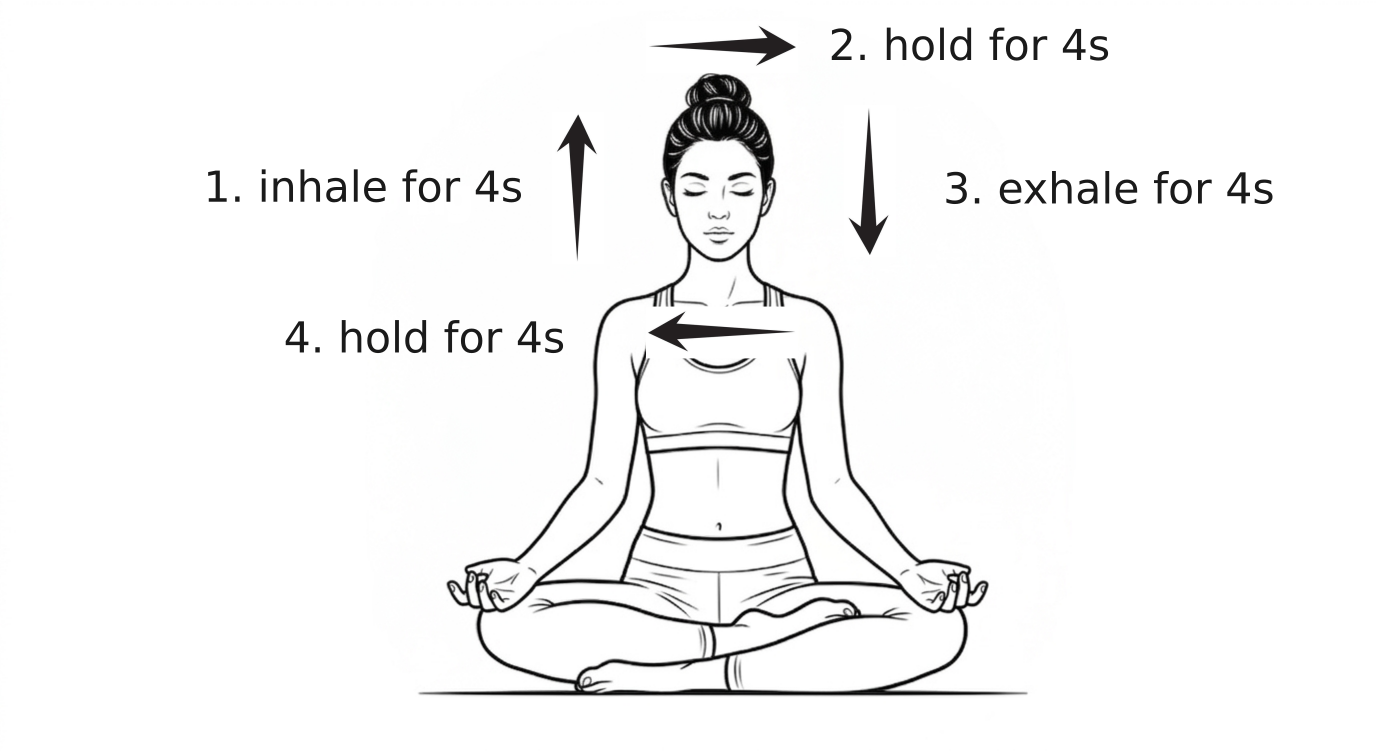
How to practice: Inhale for 4 counts, exhale for 4 counts. For a box breath variation, add a hold after the inhale and after the exhale: inhale 4, hold 4, exhale 4, hold 4. This four-part version is sometimes called Chaturtha pranayama — chaturtha meaning “fourth,” referring to the four phases of the breath cycle.
Benefits: Sama Vritti (sama means equal, vritti means movement or fluctuation) trains the mind toward steadiness by keeping the breath perfectly even. It is among the most accessible pranayama techniques — and one of the most underestimated.
Best time: Any time. Particularly useful in moments of anxiety, before a difficult situation, or as an entry point into meditation.
9. Visama Vritti (uneven breathing - box breathing)
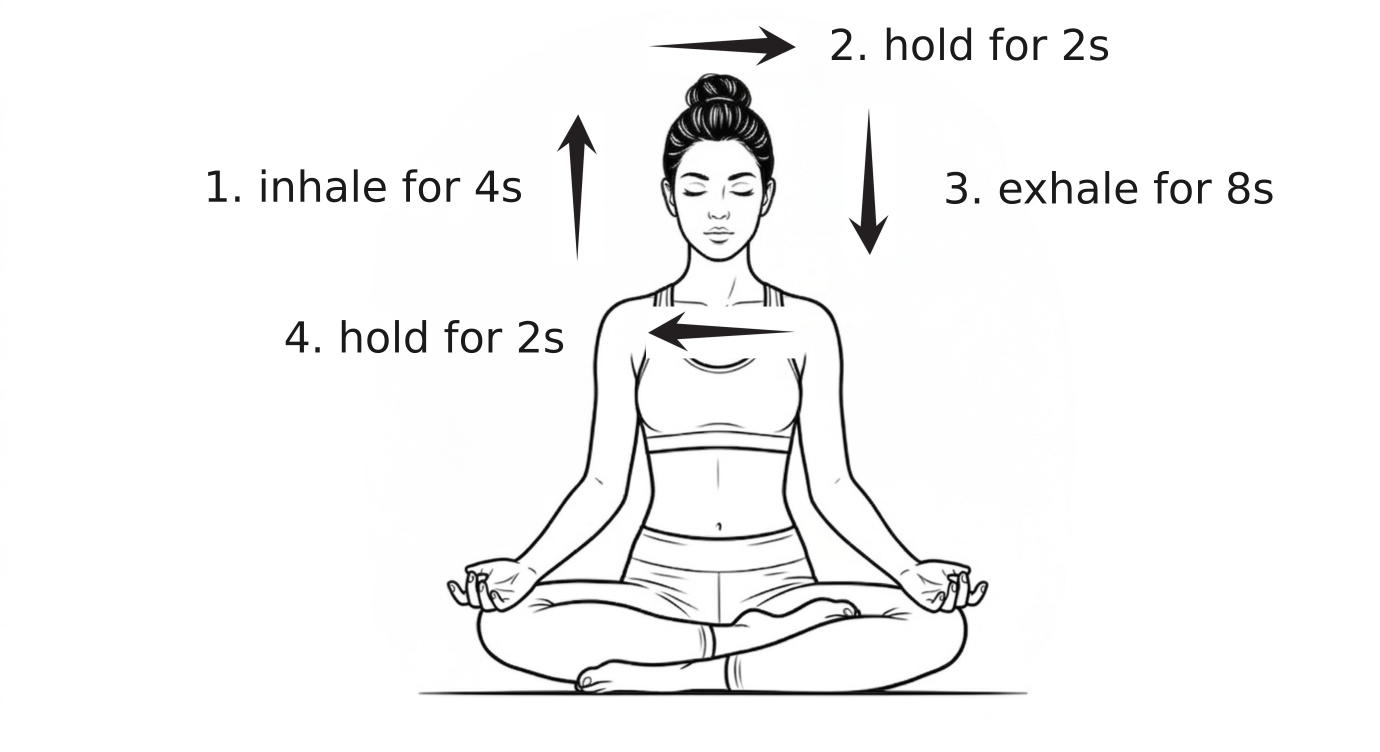
How to practice: Breathe in unequal ratios — inhale and exhale are deliberately different lengths. The classic calming ratio is 1:2 (inhale 4 counts, exhale 8). A more energizing ratio lengthens the inhale relative to the exhale. Retentions can be added as the practice matures. Unlike Sama Vritti, the asymmetry is intentional.
Benefits: Visama Vritti (visama means unequal or uneven) is more flexible than Sama Vritti — by adjusting the ratio, the practitioner can tune the breath to a specific need. A longer exhale activates the parasympathetic nervous system and is one of the most direct tools available for calming an agitated mind.
Best time: Any time. The 1:2 ratio (exhale double the inhale) is particularly effective during stress or before sleep.
10. Ujjayi (victorious breath, ocean breath)
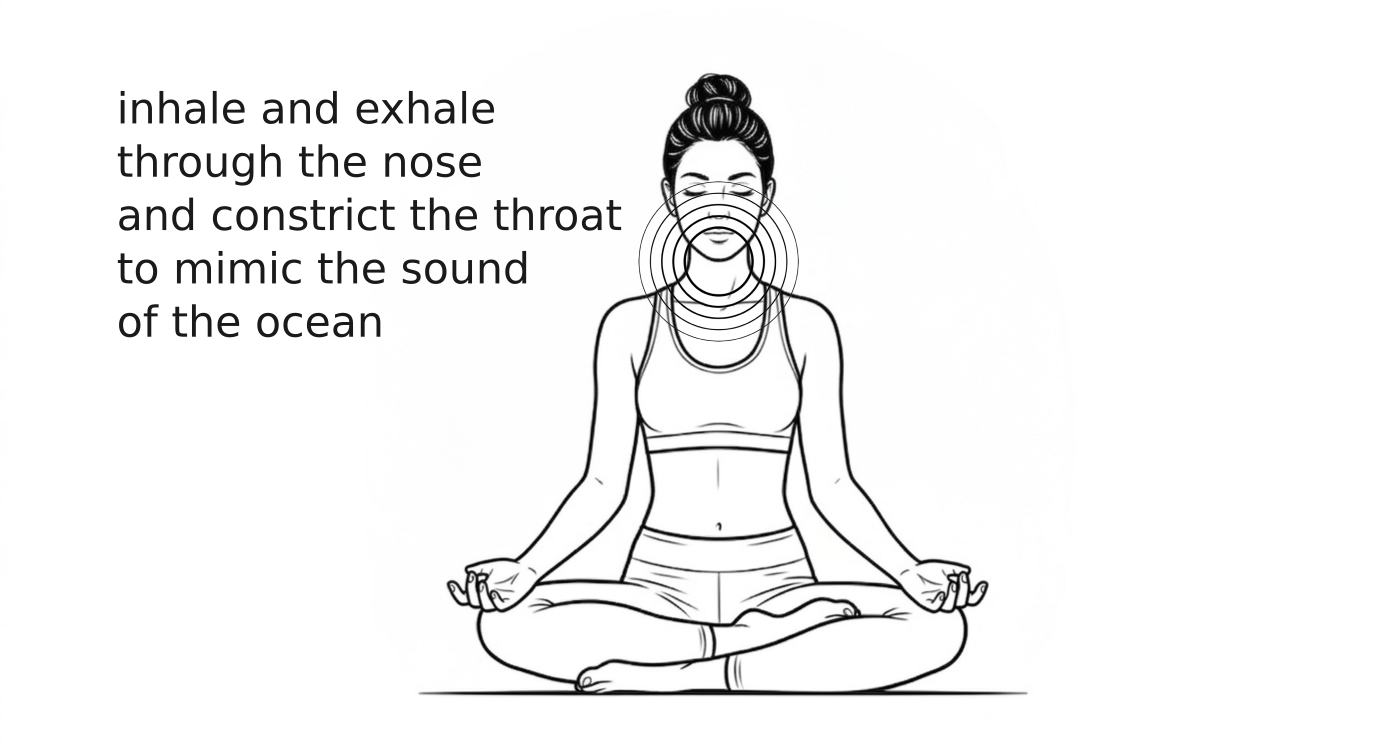
How to practice: Gently constrict the back of the throat — as though you are about to fog up a mirror, but with the mouth closed. Breathe in and out through the nose, producing a soft oceanic sound.
Benefits: Ujjayi (often translated as “victorious” or “upward-conquering”) is the breath most closely associated with asana practice. It builds internal heat, anchors the attention, and regulates the pace of movement. On the mat, the sound of the breath becomes a kind of anchor — a constant reference point for the mind.
Best time: During physical practice. It can be used in seated meditation as well, though a softer variation is preferred.
Cooling and Calming Practices
Best time: midday, afternoon, or evening
These techniques lower body temperature, slow the nervous system, and prepare the mind for rest or quiet. They are particularly valuable in hot weather or after an intense practice.
11. Sheetali (cooling breath)
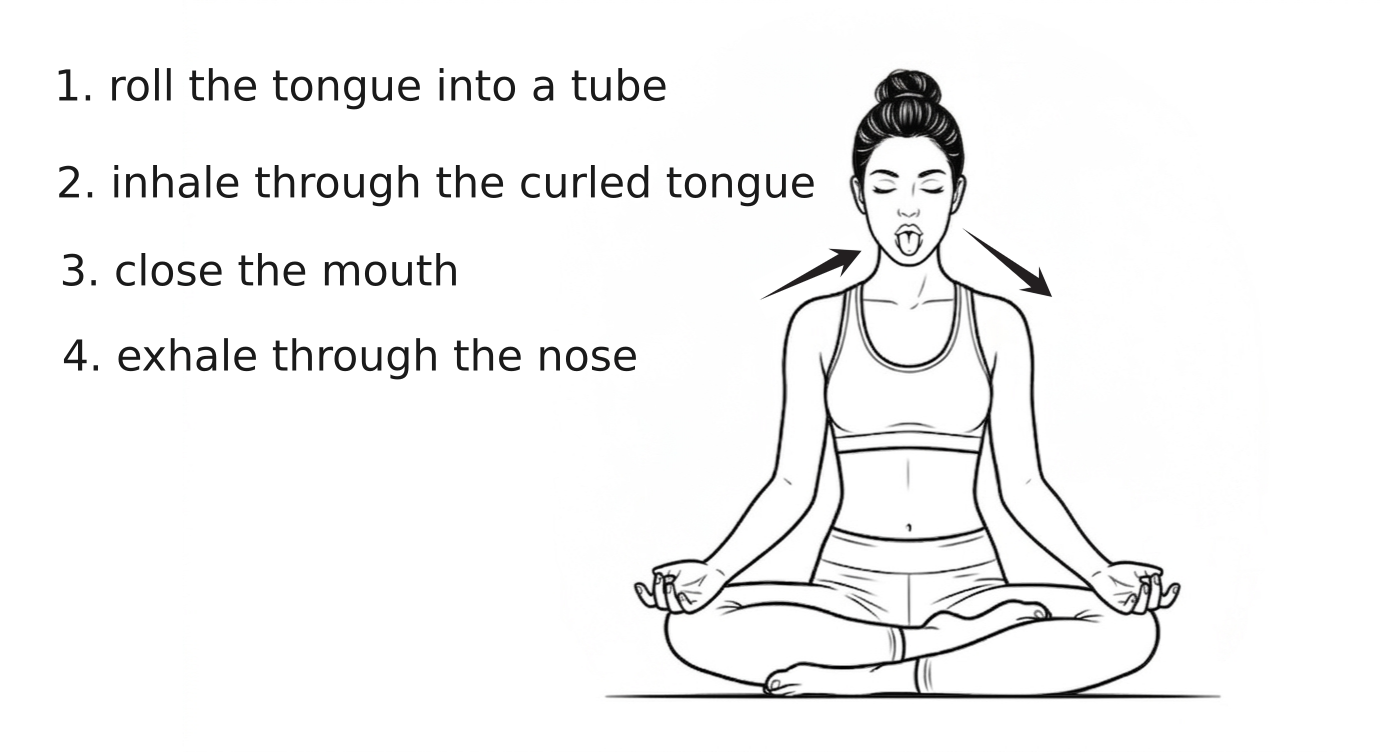
How to practice: Roll the tongue into a tube and extend it slightly past the lips. Inhale slowly through the rolled tongue — you will feel the air cooling the tongue and the back of the mouth. Close the mouth and exhale through the nose. Repeat for 8–15 breaths.
Benefits: Sheetali (from sheeta, meaning cool or cold) lowers body temperature, calms pitta — the fire element in Ayurvedic terms — and soothes an overheated or restless mind.
Best time: Midday or afternoon, especially in summer. Also useful before sleep.
Note: Rolling the tongue is genetic — not everyone can do it. Sheetkari, below, produces the same effect for those who cannot.
12. Sheetkari (hissing breath)
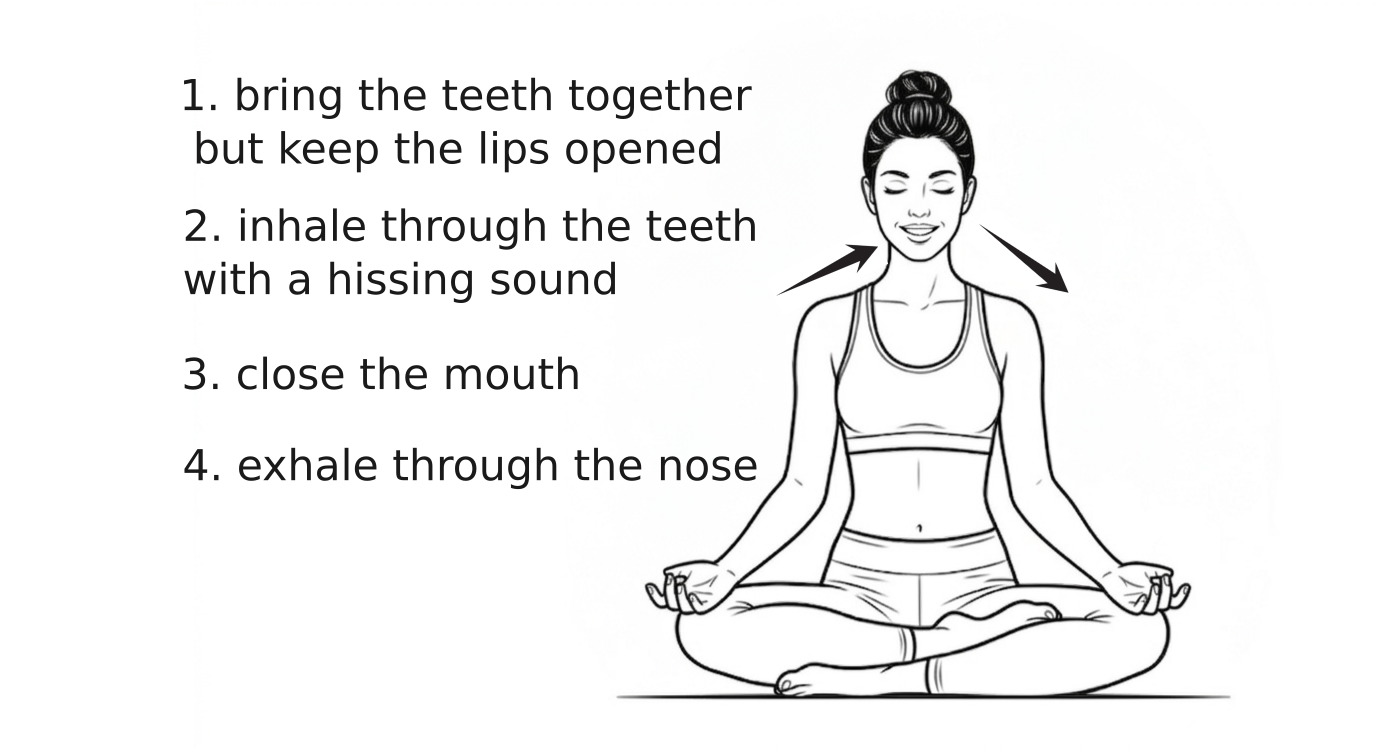
How to practice: Bring the teeth gently together, part the lips, and inhale through the teeth with a soft hissing sound. Close the mouth and exhale through the nose.
Benefits: Identical in effect to Sheetali — cools the body, calms the nervous system, reduces excess heat. The slightly different mechanics (teeth rather than tongue) produce the same result. The two techniques are interchangeable based on anatomy.
Best time: Same as Sheetali — midday, afternoon, before sleep.
13. Chandra Bhedana (moon-piercing breath)
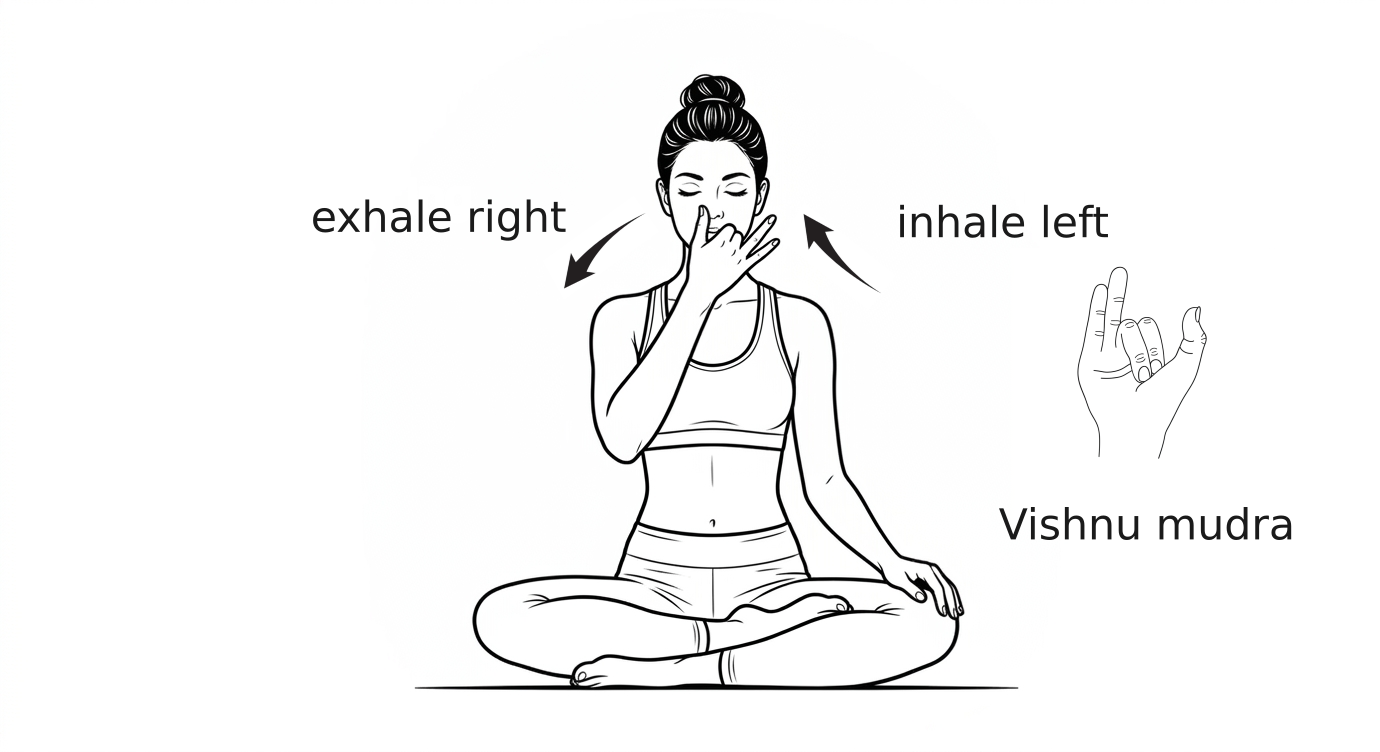
How to practice: The mirror image of Surya Bhedana. Inhale through the left nostril, exhale through the right. Repeat for several rounds — always inhaling left, exhaling right.
Benefits: The left nostril corresponds to ida nadi, the lunar channel — associated with cooling, receptivity, and a quieter quality of energy. Chandra Bhedana (moon-piercing) activates this channel, calming the nervous system and reducing excess heat.
Best time: Evening, or whenever the body feels overstimulated or hot.
14. Bhramari (humming bee breath)
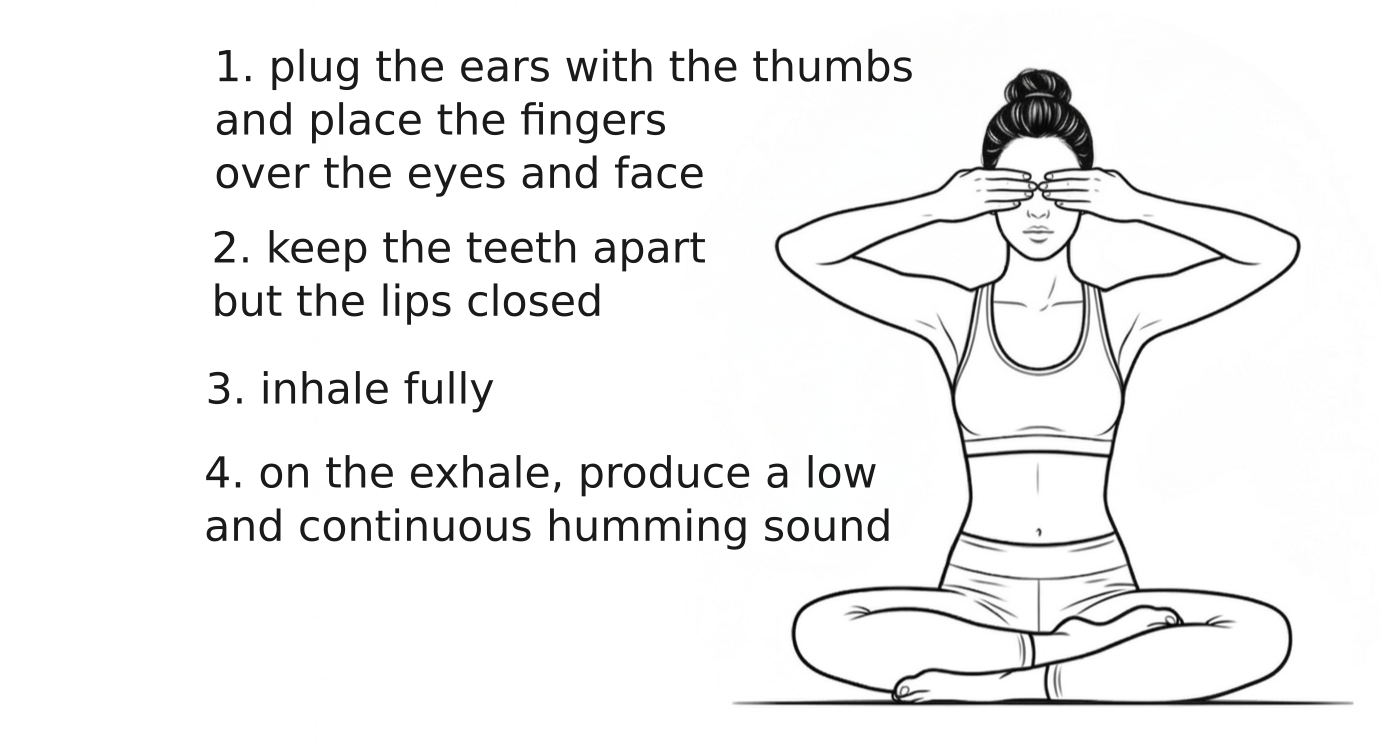
How to practice: Sit quietly. Inhale fully. On the exhale, produce a gentle, continuous hum — low and steady. For a deeper effect, plug the ears with the thumbs and place the fingers lightly over the eyes and face (shanmukhi mudra, the six-gate seal). Feel the vibration in the skull and chest. Repeat 5–10 times.
Benefits: Bhramari (from bhramara, bee) is one of the most effective techniques for calming the mind. The humming activates the vagus nerve, slows the heart rate, and has a measurable effect on anxiety and insomnia. In some traditions, it is practiced just before meditation to settle the mind.
Best time: Evening, or whenever the mind feels scattered or agitated.
15. Murcha (fainting breath)
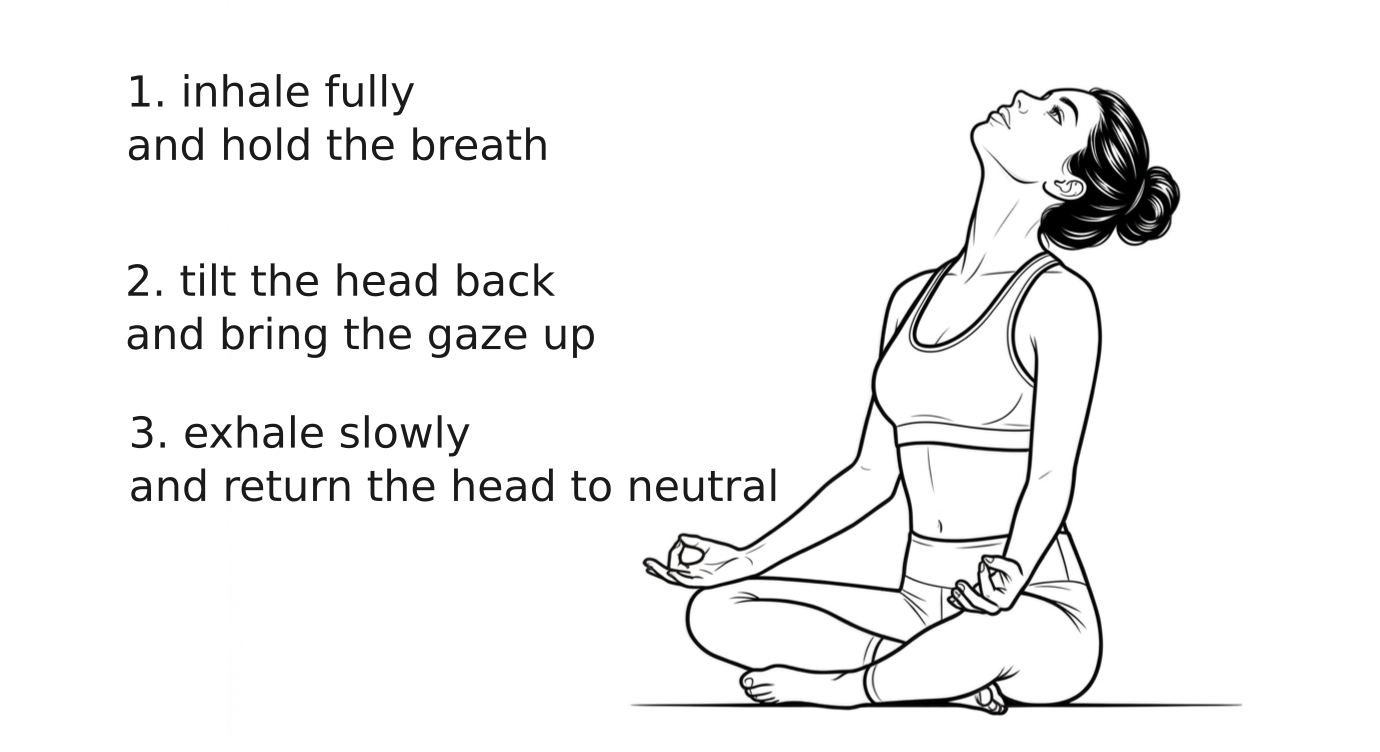
How to practice: Inhale fully, then hold the breath (antara kumbhaka — retention with lungs full). Tilt the head back and fix the gaze at the eyebrow center (shambhavi mudra). Hold as long as comfortable, without strain. Exhale slowly and return the head to neutral before inhaling again.
Benefits: The name murcha means “fainting” or “swooning” — not a literal loss of consciousness, but a pleasant dissolution of ordinary mental chatter. The combination of retention and the inward-directed gaze draws attention away from the senses and toward a quiet interior space. It is as much a meditative technique as a breathing one.
Best time: Before meditation. This is an advanced practice — I would not recommend approaching it without guidance from a teacher, and it requires prior comfort with breath retention.