The Many Faces of Yoga: A Guide to the Main Styles

Most of us come to yoga through a single door — a class, a recommendation, a moment of curiosity. What many discover, however, is that “yoga” is not one thing. It is a family of practices with different roots, different purposes, and different relationships to the body and the mind. In this article, we will explore the main yoga styles: where each one comes from, what makes it distinct, and who it tends to suit.
1. Traditional and Classical Yoga Styles
These styles have roots in the classical yoga tradition. Most trace back to specific teachers or texts, and they tend to treat physical practice (asana, posture) as one part of a broader path of self-transformation — not an end in itself.
Hatha Yoga
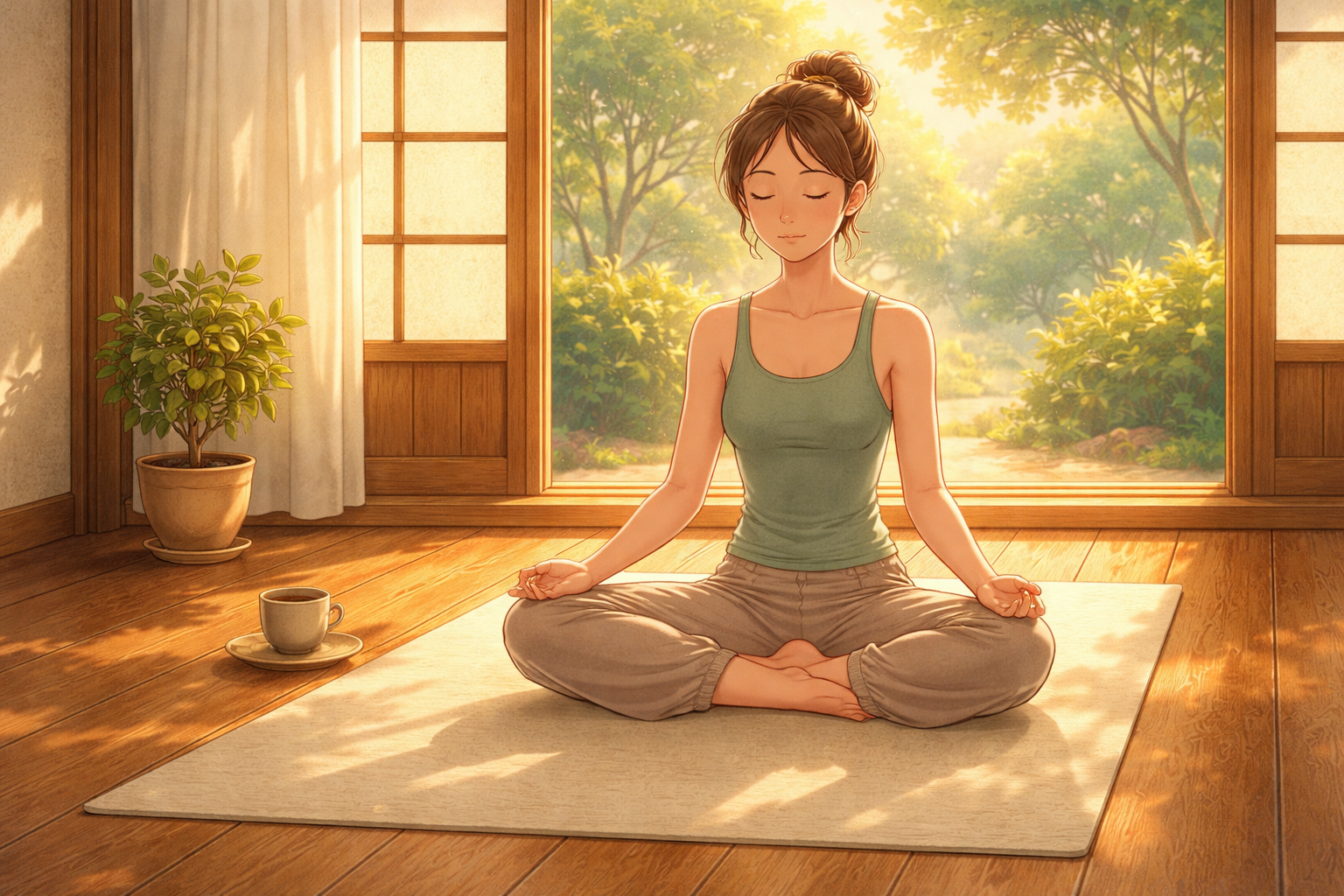
Hatha is the umbrella from which most physical yoga descends. In Sanskrit, ha means sun and tha means moon — the union of opposing forces. In practice, a Hatha class tends to move at a moderate pace, holding postures long enough to understand their alignment and feel their effect. For those new to yoga, Hatha is often the most accessible starting point.
Ashtanga Yoga
Ashtanga was systematized by Sri K. Pattabhi Jois in Mysore, India, drawing on ancient teachings. It follows a fixed sequence of postures, linked by breath and movement — a method called vinyasa (breath-synchronized movement). The practice is physically demanding and highly disciplined: you learn the same sequence each time, progressing through it at your own pace. Many experienced practitioners find in Ashtanga a daily moving meditation.
Iyengar Yoga
Developed by B.K.S. Iyengar, this style is defined by its attention to alignment and its use of props: blocks, straps, bolsters, chairs. Postures are held longer than in most other styles, giving the body time to find its correct position. Iyengar is particularly well-suited to people recovering from injury, those managing chronic pain, and anyone who wants to understand the architecture of each pose before moving through it quickly.
Kundalini Yoga
Kundalini belongs to the tantric tradition. The word kundalini refers to a form of latent energy — often described as coiled at the base of the spine — that this practice aims to awaken and channel upward through the body. Classes typically include breath work (pranayama), mantra, mudra (hand gestures), and sequences called kriyas (specific combinations of movement, breath, and sound). The experience tends to be more internal — and sometimes intense — than a typical physical yoga class.
Sivananda Yoga
The Sivananda system was developed by Swami Vishnudevananda, a disciple of Swami Sivananda, in the 1960s. It is built around five points: proper exercise (asana), proper breathing (pranayama), proper relaxation (savasana, or final rest pose), proper diet, and meditation. The same 12 basic postures appear in every class, making this one of the most consistent and structured approaches to yoga available.
2. Modern Yoga Styles
These styles emerged in the 20th and 21st centuries, often as adaptations of classical methods to new contexts — Western bodies, gym environments, therapeutic needs, or entirely new intentions. Some retain strong roots in yoga philosophy; others have moved primarily into the territory of fitness and well-being.
Vinyasa (Flow) Yoga
Vinyasa draws from Ashtanga but removes the fixed sequence. Each teacher creates their own class, linking postures through breath in a continuous, flowing movement. It is probably the most common style in Western studios today. The challenge is that without a set sequence, the quality of a Vinyasa class depends largely on the teacher — so finding someone you trust matters more here than in many other styles.
Power Yoga
Power Yoga developed in the United States in the 1990s as a more athletic, accessible adaptation of Ashtanga — without its traditional structure or philosophical context. Classes are physically demanding and vary widely from teacher to teacher. For those looking to build strength and flexibility, Power Yoga delivers. However, the original teachings of yoga tend to be present only in name.
Bikram Yoga
Bikram Yoga, founded by Bikram Choudhury, consists of a fixed sequence of 26 postures and 2 breathing exercises practiced in a room heated to approximately 40°C. Proponents say the heat allows deeper stretching and helps flush out toxins. It is a very specific practice — you will know exactly what to expect each session.
Yin Yoga
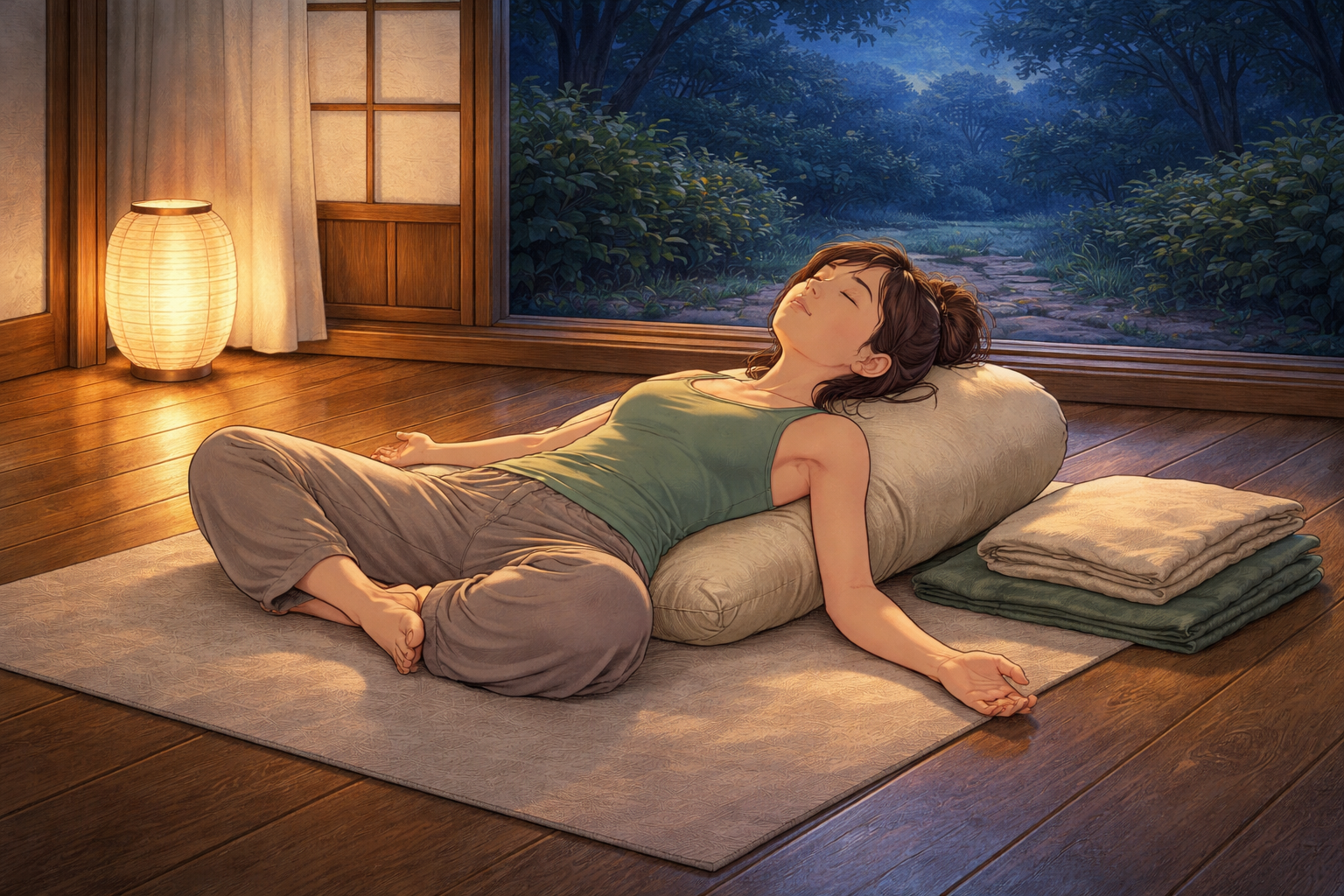
In contrast to the active styles, Yin Yoga asks you to hold passive postures for three to five minutes — sometimes longer. The aim is to work into the deeper connective tissues (fascia, ligaments, joints) rather than the muscles. Yin is meditative by nature: holding stillness long enough that the mind, not just the body, is asked to soften and let go.
Restorative Yoga
Restorative Yoga uses props — bolsters, blankets, blocks — to support the body in complete comfort, allowing it to release without effort. A class might include only four or five poses in an hour, each held for ten to twenty minutes. This is not stretching; it is rest. Restorative practice is particularly useful for recovery, fatigue, or anyone whose nervous system needs a genuine pause.
Jivamukti Yoga
Founded in New York in 1984 by Sharon Gannon and David Life, Jivamukti takes its name from the Sanskrit jivamuktih — liberation while still alive. Classes are physically strong (Vinyasa-based) and woven through with chanting, scripture readings, live music, and a clear ethical dimension, including animal rights and environmental awareness. It is yoga understood as a spiritual practice, not merely a physical one.
Anusara Yoga
Anusara was founded in 1997 by John Friend, drawing on tantric philosophy and a system of alignment he called the “Universal Principles of Alignment.” The practice is heart-oriented — each posture is understood as an opportunity to open toward something larger than oneself. The tone in Anusara classes tends to be warm and encouraging.
Aerial Yoga
Aerial Yoga uses a suspended fabric hammock to support and extend the practice. Inversions — postures where the head is below the heart — become more accessible, and there is the added benefit of spinal decompression. The practice is playful and can suit people who find floor-based inversions difficult or uncomfortable.
AcroYoga
AcroYoga is a partner practice that combines yoga postures, acrobatics, and elements of Thai massage. One person (the base) supports the other (the flyer) using hands and feet. It requires communication, trust, and a willingness to play. While it is quite different from classical yoga, the physical and relational awareness it builds is genuine.
Conclusion
With so many styles available, the question is not which yoga is best — it is which yoga is right for you, at this point in your life. Someone recovering from injury will have different needs than someone looking for a rigorous daily practice. Someone drawn to philosophy and meditation will find more depth in Kundalini or Jivamukti than in Power Yoga.
What most of these styles share, however, is a common underlying intention: to bring greater awareness to the body, the breath, and the mind. The style is the door. What you find inside is the practice.